
Termites are easy to miss because they do much of their work out of sight. By the time damage is obvious, the issue may be larger than it first appeared. That is why it helps to know the early signs of termites and to act on them before guessing or waiting.
In Arizona’s East Valley, a quick look around the home can uncover clues worth checking. Not every clue proves there is an active infestation, but each one can help you decide when it is time for a professional termite inspection.
It is also helpful to remember that termite concerns are not always visible in the middle of a room. Check accessible edges and transition areas: where a slab meets a wall, where plumbing enters the home, near exterior trim, and around stored wood or landscaping materials close to the structure. A careful visual check does not replace an inspection, but it gives you better information to share if you call.
Why Early Termite Signs Matter in Arizona Homes
Termites feed where they are protected: behind walls, beneath flooring, along foundations, and inside wood. That makes a visible sign more important than it may seem. A small mud tube or pile of wings does not tell you the full story, but it can be a useful reason to investigate now instead of waiting for a door frame, baseboard, or trim piece to show clear damage.
Our goal is not to create alarm over every mark on a wall. It is to help you notice the warning signs that deserve a closer look. When we inspect a home, we look at the foundation and other accessible areas, explain what we find, and help you understand the options before treatment is discussed.
7 Signs of Termites to Look For
Start with the areas where wood, soil, moisture, and the home’s exterior meet. The following signs are worth documenting and sharing during an inspection:
- Mud tubes on the foundation or walls. Subterranean termites can build narrow, dirt-colored tubes to travel while staying protected. Look along foundation walls, slab edges, pipe penetrations, and sheltered exterior areas.
- Swarmers or discarded wings indoors. Winged termites may emerge during a swarm. Finding them inside, or seeing many similar wings near windowsills or lights, is a reason to schedule an inspection.
- Wood that sounds hollow or feels damaged. Termites can leave a thin surface while feeding inside wood. Tap trim, exposed framing, or other accessible wood gently; a hollow sound or soft area deserves attention.
- Doors or windows that suddenly stick. Moisture, settling, and several other problems can cause this too, but termite activity near frames can affect how wood fits and moves.
- Bubbling paint, wall trails, or small pinholes. Uneven paint and subtle lines or mud-like spots can have more than one cause. When they appear with other signs, they are worth checking.
- Small piles of dry pellets. Drywood termites can leave uniform, pellet-like droppings near a kick-out hole. Do not assume every bit of debris is termite-related, but take a photo before cleaning it away.
- Visible termites or damaged wood with mud inside. This is the clearest warning sign. If you see insects in a damaged area, avoid disturbing the area more than necessary and arrange an inspection.
Mississippi State University Extension notes that swarmers, mud shelter tubes, and termite damage are major clues to a possible infestation. Its guidance also points out an important detail: simply knocking down a mud tube does not address any termite activity that may remain out of sight. Read its termite-sign guidance.
Use this list as a screening tool, not a reason to diagnose the problem from a single sign. The location and pattern matter. For example, a few wings outside may have come from a nearby swarm, while a large number of matching wings indoors deserves much more attention. Good documentation gives an inspector a useful starting point and helps avoid treating the wrong problem.
What These Signs Can—and Can’t—Tell You
A warning sign is not the same thing as a diagnosis. Flying ants can be mistaken for termite swarmers. Water damage can make paint bubble or wood swell. A dry, old mud tube may show that termites were present at some point, without proving current activity. On the other hand, an empty tube does not always mean the concern is over.
That uncertainty is exactly why a close inspection matters. A professional can evaluate the location, condition, and surrounding evidence instead of relying on one photograph or one symptom. We avoid promising an answer before the property has been assessed. A clear explanation of what is visible—and what needs more investigation—is more useful than a rushed guess.
What to Do When You Notice Possible Termite Activity
If you spot a possible termite sign, take a few clear photos and note where and when you found it. If you found wings or pellets, leave a small sample or photograph it before cleaning. Avoid tearing open walls, spraying a hidden area, or applying products without knowing what pest is present. Those steps can make the evidence harder to evaluate and may not address the source of the problem.
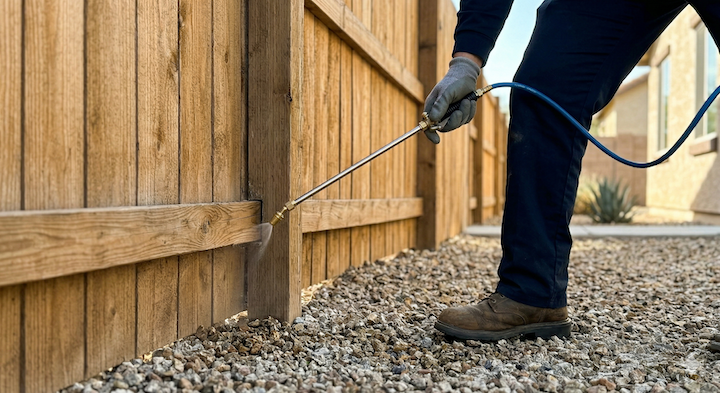
Next, schedule an inspection. At Steadfast Pest Control, we inspect accessible foundation areas, look for visible signs of activity, and explain what we see in plain language. If treatment is appropriate, we will walk you through the recommended plan so you can make an informed decision for your home.
Before we arrive, gather any useful history, including prior treatment records if you have them and the dates you first noticed the sign. That context can help distinguish a new concern from old evidence. It also helps us focus the inspection on the areas that matter most to you, whether you found activity near a window, in a garage, along a foundation, or around an exterior wall.
If you are seeing possible termite signs in Florence, San Tan Valley, Queen Creek, Gilbert, Chandler, Tempe, or Mesa, contact us for a free inspection. We will help you get a clear next step and protect your home without the guesswork.